
How much does a trip to Central Asia cost? Real numbers from our bookings
Flights, hotels, trains, guides, food, visas, tips — what a week or two in the Stans actually costs at three comfort levels, using the prices we pay for our own guests.
“Is Central Asia expensive?” is the question we get most after “is it safe?”. The honest answer: it is one of the best-value regions left for the quality of what you see — but the way you travel changes the bill more than the country does. Below are the numbers we work with, in US dollars, as of the current season. They move with exchange rates, so treat them as a guide, not a quote.
The big picture
For a week in Uzbekistan, excluding international flights:
- Backpacker: around $35–60 a day — hostels, shared taxis, bazaar food, no guide.
- Comfortable (what most of our guests do): $120–200 a day — good 3–4★ hotels in the old towns, trains in business class, a guide in each city, restaurants.
- Boutique: $250–400 a day — the best courtyard hotels, private car and guide throughout, every door opened.
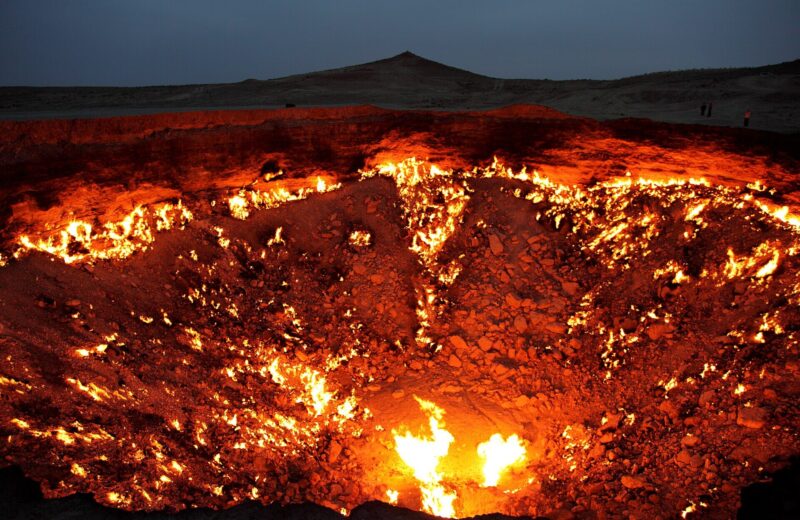
Kyrgyzstan is slightly cheaper on the ground but needs a driver (no trains); Kazakhstan's Almaty is the most expensive city in the region; Turkmenistan is expensive because everything is organised through a tour operator by law.
Where the money goes
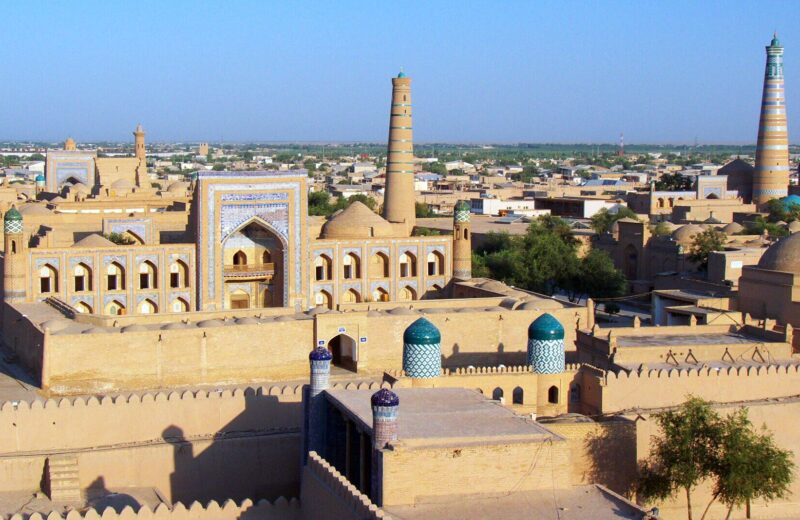
Hotels. A clean, friendly guesthouse in Bukhara or Khiva is $40–70 for a double with breakfast; a characterful boutique hotel in a restored merchant house is $90–160; the few genuine luxury properties are $250 and up. Tashkent and Almaty international chains are $150–250.
Getting around. The Afrosiyob high-speed train is roughly $12–25 per leg in economy and $20–40 in business — remarkable value. A private car with driver for a full day with a guide is $80–150 depending on the distance; the Bukhara–Khiva desert crossing is $120–180 for the car. Domestic flights (Tashkent–Urgench, say) are $50–90.
Guides. A licensed English-speaking guide for a full day is $50–90 in Uzbekistan, more for German, French, Italian or Japanese. This is the item people try to cut and later wish they hadn't — the tilework is beautiful, but the stories are the trip.
Food. A full lunch of plov, salad, bread and tea in a local place is $4–8. A good dinner with a glass of Samarkand wine is $15–30. Street samsa are under a dollar. You will not spend much on food unless you eat only in hotels.
Entrance fees. Monuments are priced for visitors at roughly $2–8 each; a day of sightseeing in Samarkand is $20–30 in tickets. Khiva sells one combined ticket for the old town.
Visas. Most European, British, Australian, Canadian and Japanese passports enter Uzbekistan, Kazakhstan and Kyrgyzstan visa-free for 30 days or more. Others get an e-visa online, usually $20–50. Tajikistan is an e-visa plus a mountain permit; Turkmenistan is a letter of invitation we arrange. We check every passport before you book.
Tipping. Not obligatory, always appreciated: $5–10 a day for a guide, $3–5 for a driver, round up in restaurants.
What our tours include — and why the total is what it is
Our 8-day Uzbekistan Classics group tour starts at $1,190 per person. That covers seven nights in old-town hotels with breakfast, all trains and transfers, a guide in every city, all entrance fees, several meals and a 24-hour local contact. Priced separately, the same week costs most people more and a great deal more time. Private versions of the same route run from about $1,500 per person for two travellers, because the car and the guide are yours alone.
How to save without regretting it
- Travel in March, early June, late October or November — hotels drop 20–40 %.
- Take the train, not the plane, between the big cities. Cheaper and better.
- Share a guide for two or three days rather than taking none.
- Eat lunch in local plov houses and dinner in restaurants — not the other way around.
- Carry some cash. Cards work in hotels and bigger restaurants; bazaars and small cafés are cash only, and ATMs are reliable in the cities but not in the desert.
Frequently asked
US dollars or euros in clean, newer notes exchange everywhere; withdraw local currency from bank ATMs in the cities. Do not change money on the street.
Our prices are quoted in US dollars; you can pay by card through a secure payment link once your request is confirmed.
Tours that follow this guide
 Flagship tour
 All five countries
Want this planned for you?
Tell us your dates and interests — we build the route around what you just read, and answer every question first.
More guides
 Practical
 Planning
 Destinations