
What to pack for Central Asia (and the etiquette our guests wish they had known)
The short packing list that covers mosques, mountains and 40-degree afternoons, plus the small customs — tea, bread, shoes, photographs — that make locals light up when a visitor gets them right.
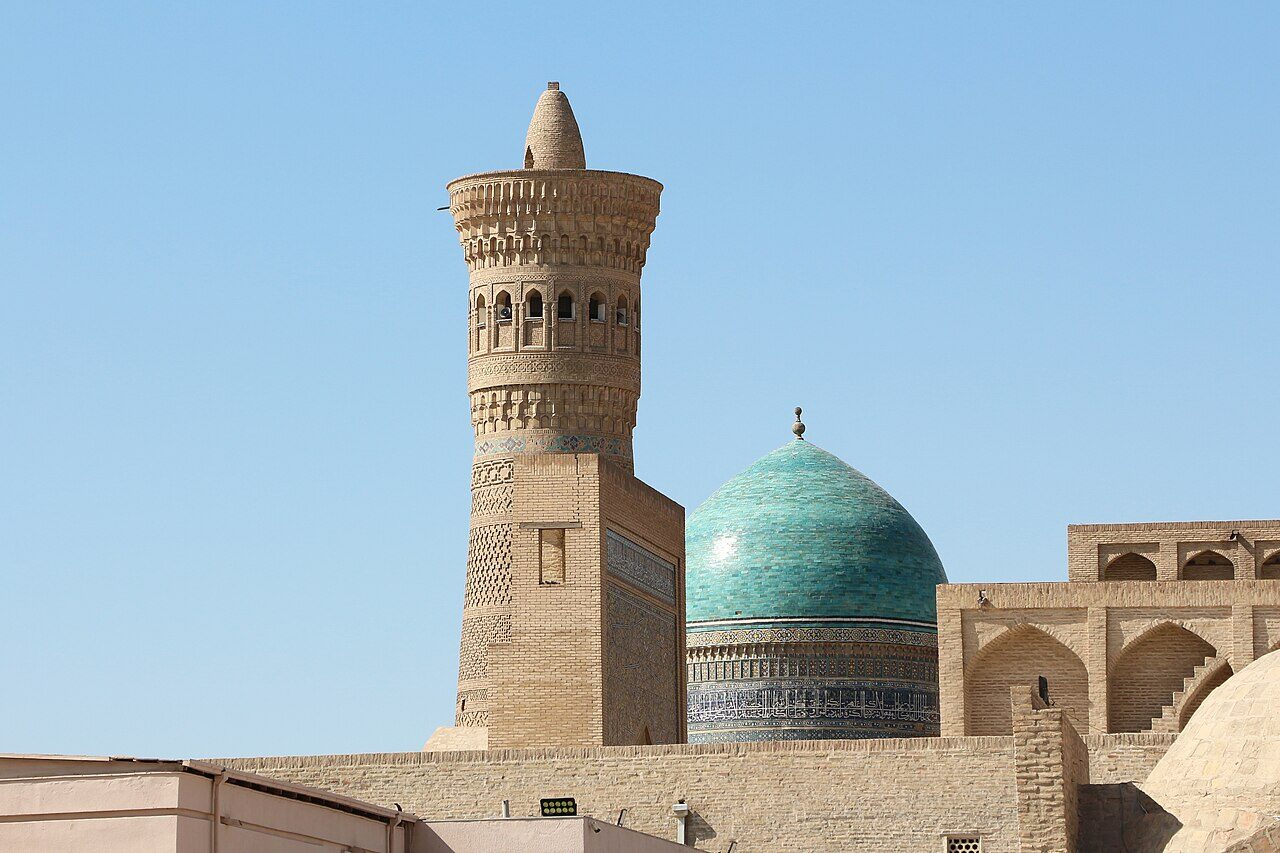
After a few hundred groups you notice the same things being bought in a hurry at the Chorsu bazaar: a scarf, a hat, a plug adapter, a torch. Here is the list we send our guests, and the handful of customs that matter.
Clothes
- Light, covering layers. Linen or cotton trousers and long-sleeved shirts beat shorts and vests: cooler in the sun, right for mosques, and they stop the sunburn that ends holidays. Shorts are fine in the cities for men and women, but you will cover up at religious sites.
- A scarf (women) for mausoleums and working mosques — a loose cover of the hair is appreciated, not required at most sites, but it makes the visit easier. Any light scarf works and makes a good souvenir later.
- One warm layer, always. Desert nights and train carriages are cold even in May; Song-Köl at 3,000 m drops below freezing in July.
- Walking shoes you can slip off. You will remove them at every mausoleum and every home. Laces are a nuisance.
- A sun hat with a brim. Caps are not enough in June.
- For Kyrgyzstan: a fleece, a rain shell, a warm hat and, if you are horse-trekking, long trousers that you do not mind ruining.
Health and comfort
- Sunscreen and lip balm — the air is dry and the UV is strong at altitude.
- Hand sanitiser and tissues; public toilets vary.
- Your usual medicines plus something for an upset stomach; pharmacies are good in the cities but labels are in Russian.
- Electrolyte sachets for summer.
- A small torch or your phone light for the yurt camps and the occasional power cut.
Tech and money
- Plug adapter: European two-pin (type C/F), 220 V.
- A power bank — long train and car days.
- Cash: US dollars or euros in clean, recent notes to exchange, and a card for ATMs in the cities. Small notes in local currency for bazaars and tips.
- A local SIM or eSIM — cheap, fast and available at the airport; we help on arrival.
- Download maps offline. Signal in the desert and the mountains comes and goes.
The etiquette that matters
Bread. Never put it upside down, never throw it away, never leave it on the ground. Tear it with your hands.
Tea. The host pours tea back into the pot three times before serving — let them. A half-full bowl is the polite serving (a full bowl means the host wants you to leave). Hold the bowl with your right hand.
Shoes. Off at the door of a home, a yurt, a mausoleum and most mosques. Socks without holes are a good idea.
Greetings. A hand on the heart with a slight bow is the universal greeting and works for everyone. Men shake hands with men; wait for a woman to offer hers.
Photographs. People are generous about photos, but ask — a smile and a raised camera is enough. Not inside working mosques during prayer, not of military or border posts, not of the metro before you check it is allowed (it is, since 2018).
Hospitality. You will be invited for tea, and sometimes for a meal, by people you met ten minutes ago. Say yes when you can; bring fruit or sweets if you visit a home; accept the plate of plov even if you have eaten.
Dress at religious sites. Shoulders and knees covered for everyone. Women cover their hair at mausoleums and working mosques; the rest of the time, dress as you would in a southern European city.
Politics and religion. People are open and curious; follow their lead rather than yours. Uzbekistan is a secular country with a Muslim majority and a long tradition of tolerance — you will meet Russians, Koreans, Tajiks, Jews and Tatars in the same bazaar.
What not to bring
Drones (banned without a permit in Uzbekistan and Turkmenistan), strong painkillers containing codeine or tramadol without a prescription, and more than one suitcase — you will be lifting it onto trains.
Frequently asked
Yes. Central Asia is one of the easier regions for solo women: little street harassment, respectful curiosity, and a culture of looking after guests. Dress modestly at religious sites and you will be fine.
No — beer, wine and vodka are sold openly in all five countries except parts of Turkmenistan, and a glass at dinner is normal. Public drunkenness is frowned upon.
Tours that follow this guide
Want this planned for you?
Tell us your dates and interests — we build the route around what you just read, and answer every question first.
More guides
 Planning
 Planning
 Destinations